Outlook
Microsoft Outlook packs powerful features most users overlook. These 10 game-changing tips and tricks will transform your email workflow, save hours weekly, and help you master professional communication like an expert.
Quick Steps to Automate Repetitive Email Tasks
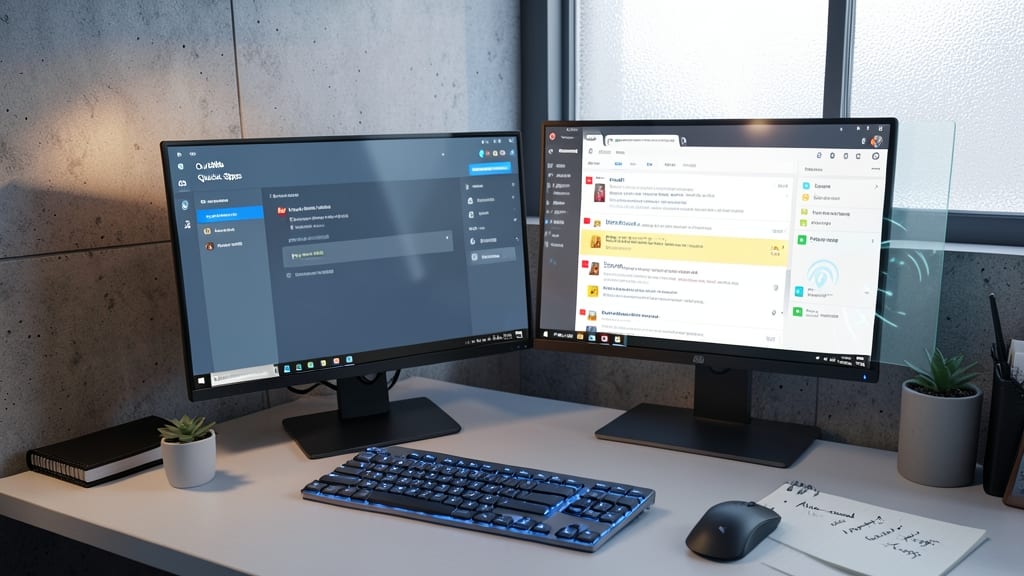
Spending hours daily on repetitive email tasks like flagging follow-ups, categorizing leads, or sending standardized responses? Outlook’s Quick Steps feature turns these into one-click workflows—saving you minutes per email that add up to hours weekly. Whether you’re a sales rep prioritizing hot leads or a support agent routing tickets, this hidden tool works like digital macros without requiring coding.
Create custom actions like "Flag & Move" (mark as important + shift to a folder) or "Reply with Template" (auto-fill responses with your signature and boilerplate text). The best part? You can chain actions—like "Forward to Manager + Add to Calendar"—using the intuitive drag-and-drop builder. These steps sync across Outlook Desktop, Web, and Mobile, so your automation travels with you. For teams, share templates via Outlook’s Quick Steps gallery to standardize responses company-wide.
This is the secret weapon for customer support reps handling bulk inquiries or sales teams who need to qualify leads faster. Set it up in under 10 minutes and watch your inbox productivity skyrocket. ⚡
Keyboard Shortcuts Every Outlook User Should Master
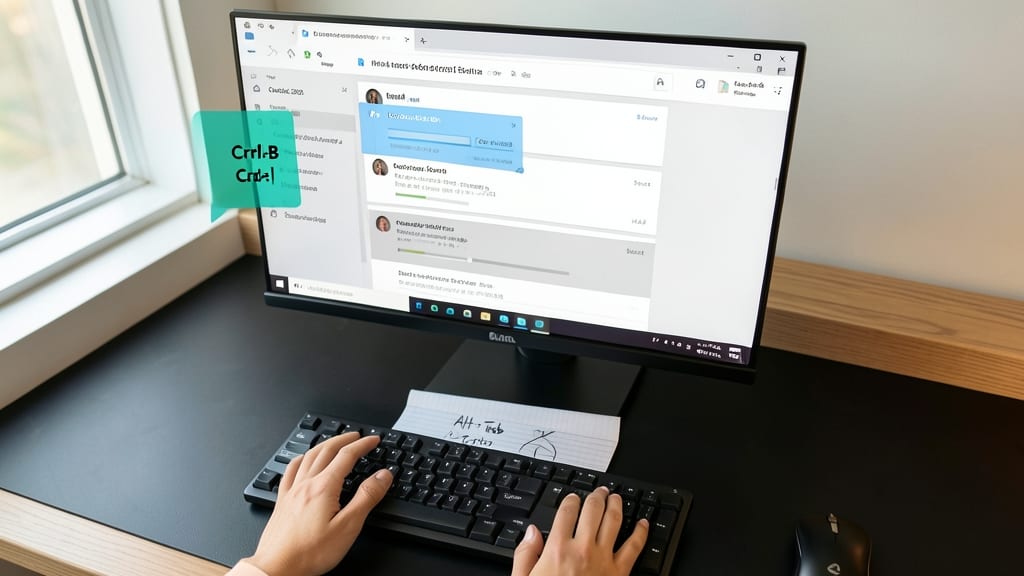
Tired of reaching for your mouse every time you need to switch between emails or format text? Mastering keyboard shortcuts in Outlook can cut your email time by 40% or more—especially for power users who handle hundreds of messages daily. These 15 essential shortcuts cover everything from composing replies to navigating folders, so you can keep your hands on the keyboard and your workflow fluid.
Start with Ctrl+Shift+K to jump straight to the search bar, then use J to move down and K to move up through emails without lifting your fingers. Need to reply quickly? Ctrl+R opens a reply window instantly, while Ctrl+Shift+A flags an email for follow-up. For formatting, Ctrl+B (bold) and Ctrl+I (italic) work just like in Word, and Ctrl+Shift+F lets you quickly format text as you type. Pro tip: Ctrl+Shift+M opens the Mark as Read menu, so you can batch-process emails in seconds.
Executives and sales professionals will see the biggest gains—imagine drafting a response, sending it, and moving to the next email without ever touching your mouse. Even casual users will appreciate the speed boost when managing inboxes. ⚡
How to Schedule Emails for Future Delivery
Ever sent an email at midnight only to realize you should’ve waited until morning? Outlook’s Schedule Send feature lets you compose messages now and deliver them later—no reminders needed. Perfect for international teams, night-shift coordination, or time-sensitive announcements where timing matters more than speed.
Here’s how it works: Open the compose window, click the calendar icon in the ribbon, and select a date/time. Outlook will save your draft and deliver it automatically—even if you close the app. You can also schedule recurring emails (like weekly reports) or set delays for follow-ups. The feature works seamlessly with Microsoft 365 accounts and syncs across devices.
This trick is a lifesaver for remote teams spanning time zones or professionals who need emails to land at precise moments—like a client update before market open. No more guessing when to hit send. ✨
Focused Inbox to Prioritize Important Emails
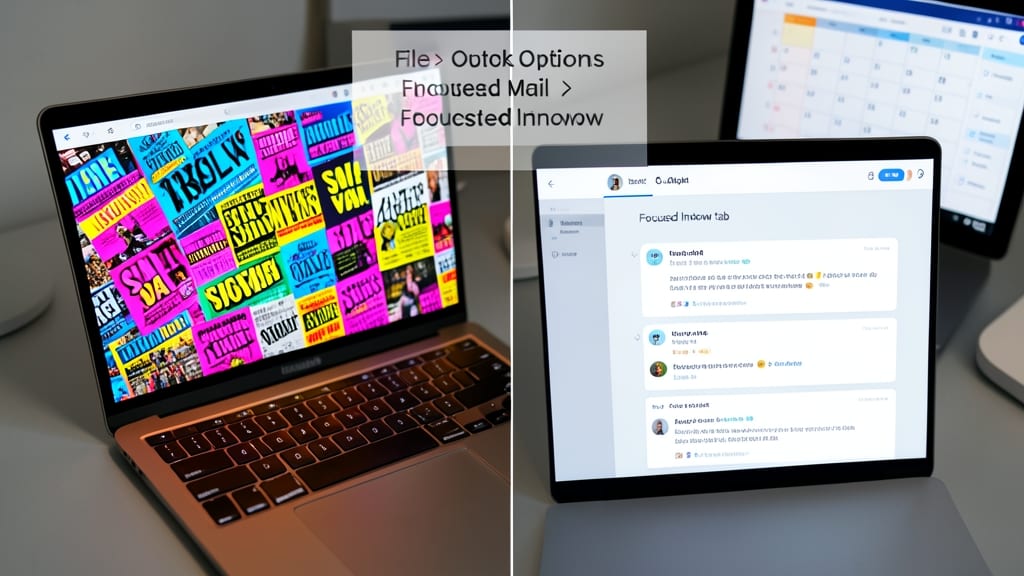
Drowning in promotional newsletters and low-priority messages? Outlook’s Focused Inbox uses AI to automatically sort your most important emails into a dedicated tab—so you can focus on what truly matters.
Enable it in File > Options > Mail > Focused Inbox, then customize filters to prioritize messages from specific senders or with keywords like "urgent" or "meeting." The feature learns over time, adapting to your habits while keeping distractions in the "Other" tab. For teams, this ensures critical communications stand out—no more missed deadlines buried under marketing emails. ⚡
Email Signature Customization for Professional Branding
Your email signature isn’t just a digital business card—it’s a 24/7 marketing tool that builds credibility with every message. Outlook’s signature editor lets you embed clickable links, social media icons, and dynamic fields (like job titles or company names) that update automatically.
Start by adding a logo (uploaded as an image) and hyperlinked contact info (phone, website, LinkedIn). Use the dynamic fields like <Title> or <Company> to keep details current without manual edits. For freelancers, include a portfolio link or Calendly booking button—recruiters can add LinkedIn profiles or specialty certifications—while corporate teams standardize signatures with brand colors and fonts for consistency.
This is your chance to make every email feel personalized and polished. Perfect for professionals who want to leave a lasting impression—no extra tools required. ✨
Rule-Based Email Organization for Zero Inbox Stress
Tired of drowning in promotional newsletters and forgotten replies? Outlook’s rule-based email organization lets you set up automated filters that handle sorting, flagging, or even deleting emails before they clutter your inbox.
Create rules based on sender, keywords, or attachments—like auto-moving Amazon receipts to a "Shopping" folder or flagging emails from your boss in red. You can even set up rules to delete spam automatically or forward work emails to a separate account. The best part? These rules sync across Outlook Desktop, Web, and Mobile, so your inbox stays tidy no matter where you check emails.
Small business owners juggling multiple accounts or freelancers managing subscriptions will love this zero-configuration way to reclaim control. Set it up once, and let Outlook do the heavy lifting. ✨
How to Recover Deleted Outlook Emails Instantly
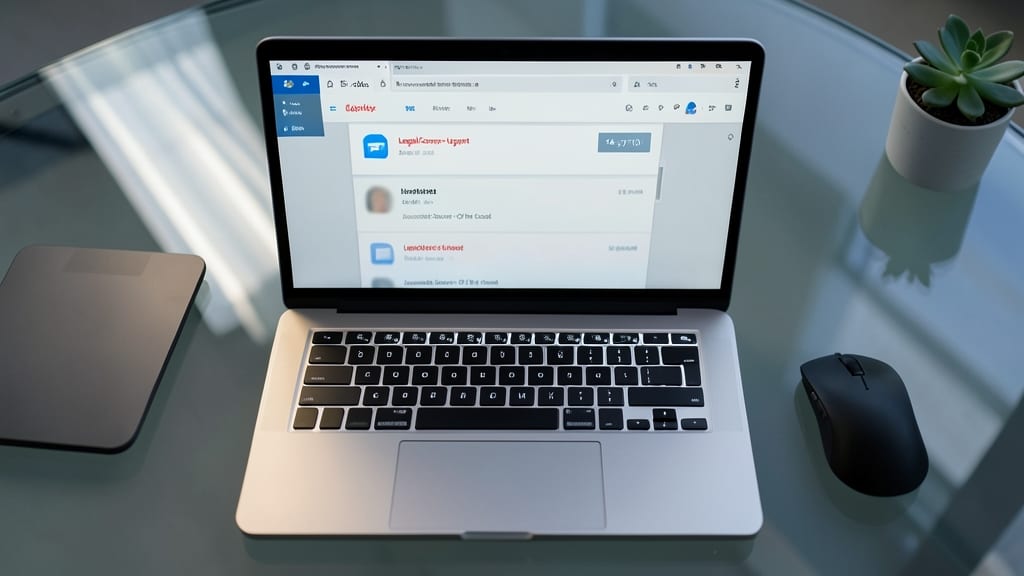
Ever hit "Delete" on an email you really needed? Outlook’s Recoverable Items folder is your digital safety net—holding deleted messages for 14 days (or until the folder fills up). This hidden feature is a lifesaver for legal professionals, journalists, or anyone who can’t afford to lose sensitive communications.
To recover a deleted email, open the Deleted Items folder, then right-click the message and select Recover. For permanent deletions (or when the folder is full), you’ll need Microsoft’s PST file recovery tool—but act fast. Pro tip: Enable auto-archive to prevent the folder from filling up unexpectedly.
This trick is non-negotiable for roles where email evidence matters—think compliance officers or freelancers managing client contracts. ⚡
Meeting Requests with Automatic Calendar Sync
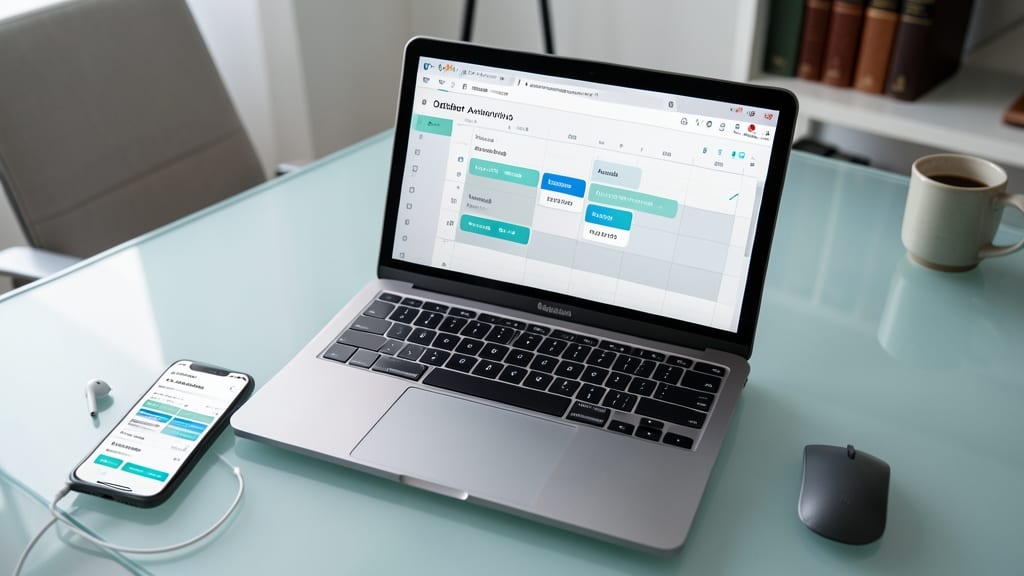
Tired of back-and-forth emails to schedule meetings? Outlook’s automatic calendar sync in meeting requests does the heavy lifting for you. When you send a calendar invite, attendees’ availability auto-fills based on their shared calendars, and you can even set default responses like "Tentative" or "Declined" to streamline decisions.
This feature works seamlessly with Microsoft 365 accounts and integrates with Teams, Google Calendar, and other platforms for cross-platform harmony. The availability indicators (green/red/yellow) make it crystal clear who’s free when, so you can adjust times without endless email threads. Plus, you can require responses to avoid no-shows—just set a deadline, and Outlook handles the follow-ups.
Perfect for project managers juggling cross-timezone teams, HR coordinating interviews, or anyone drowning in scheduling chaos. Say goodbye to "Are you free Thursday?" ping-pong. ✨
Search Emails Like a Pro Using Operators
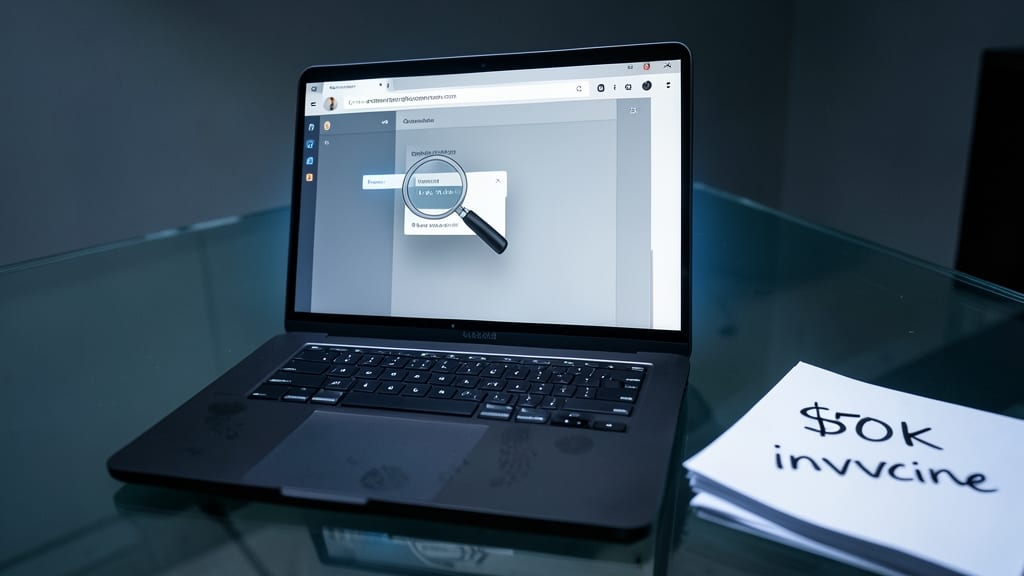
Forget scrolling through hundreds of emails—Outlook’s search operators let you find messages instantly with precision. Whether you’re tracking a $50K invoice or recovering a deleted client note, these syntax shortcuts work like a digital detective’s toolkit.
Use from:client@domain.com to filter by sender, subject:"project update" for exact phrases, or has:attachment to locate files. Combine them—like from:manager AND after:2023-01-01—to narrow results to specific timeframes. Pro tip: Try before:1/1/2023 to dig up old emails buried in your archive.
Legal researchers, accountants, and project managers will love this—no more guesswork. ⚡
Outlook Mobile App Hidden Productivity Hacks
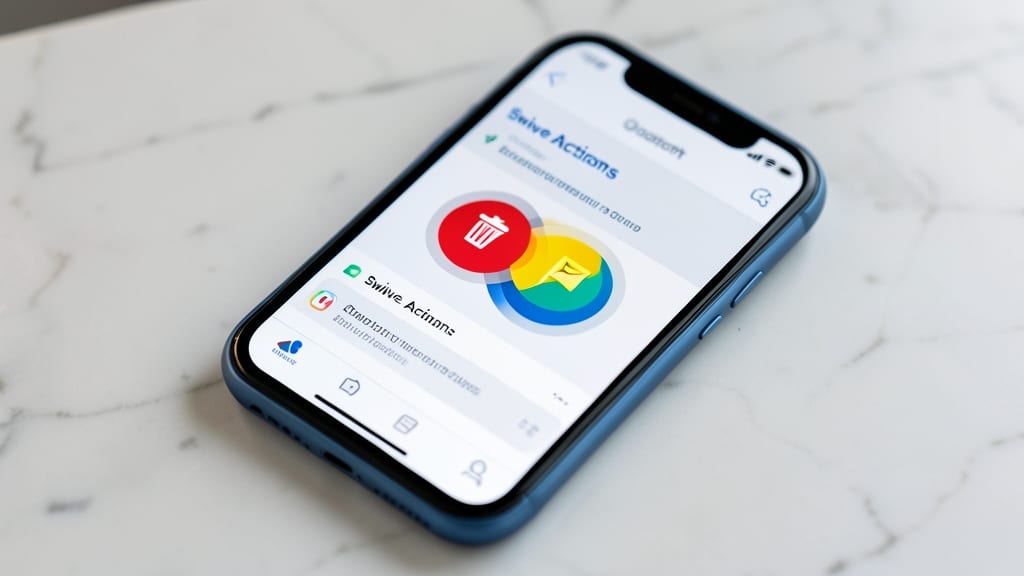
Tired of treating your phone as a glorified email reader? The Outlook mobile app hides powerful desktop-like tools that turn your smartphone into a productivity powerhouse—no laptop required.
Enable "Swipe Actions" to flag, delete, or categorize emails with a single gesture (long-press for more options). Use "Quick Access" to pin your most-used folders right at the top of the app, and "Focused Inbox" (tap the three dots) to filter out clutter just like on desktop. The "Reply with Template" feature lets you save canned responses—perfect for sales scripts or FAQs—while "Offline Mode" keeps you productive during flights or poor connectivity.
Remote workers and salespeople will love these hacks for their on-the-go efficiency, while anyone frustrated by mobile email limitations will finally get the control they crave. ⚡