
Operating System
Cyber threats evolve daily, but internal safeguards remain your first line of defense. These 10 proven strategies empower cybersecurity leaders to build resilient data protection frameworks that prevent breaches before they happen.
Role-Based Access Control Implementation

Imagine an employee in your finance department accidentally accessing HR payroll records—or worse, a disgruntled ex-employee still lingering in your systems with admin privileges. Role-Based Access Control (RBAC) stops these scenarios before they start by automatically restricting access to only what each employee needs to do their job.
Modern RBAC solutions like Microsoft Azure AD or Okta integrate with your existing directory services to assign permissions based on job titles (e.g., Finance Analyst vs. HR Manager). They support just-in-time access for contractors and enforce least-privilege principles, ensuring even IT admins can’t bypass safeguards. For compliance-heavy industries, RBAC automates audit trails—proving you’ve met GDPR, HIPAA, or SOC 2 requirements without manual checks.
This is the foundation for zero-trust security, especially for companies with sensitive departmental data like HR, legal, or R&D. Start with a role inventory audit to eliminate orphaned accounts, then layer RBAC with temporary access policies for contractors. 💡
Automated Data Encryption for All Devices

Lost or stolen devices don’t have to mean exposed data—automated data encryption transforms every laptop, smartphone, and tablet into a fortress for sensitive files, even without IT oversight. Unlike static permissions (which we covered earlier), encryption works silently in the background, ensuring files stay locked down regardless of who’s using the device or where it’s located.
Modern solutions like Microsoft BitLocker (for Windows) or FileVault (for macOS) use AES-256 encryption to scramble data at rest, while mobile device management (MDM) tools like VMware Workspace ONE or Jamf extend protection to iOS and Android. The best part? Zero-config policies mean encryption activates automatically for all devices, even employee-owned hardware under BYOD policies, without manual setup. For remote teams, this is the difference between a minor hiccup and a full-blown data disaster.
This safeguard is a must-have for healthcare, legal, and finance teams where compliance demands strict data protection, but it’s equally valuable for any company with off-site workers. Implement it alongside MFA (covered later) to create an unbreakable security chain. 💻
Regular Security Awareness Training Programs

Most data breaches start with a single click—yet 85% of security incidents involve human error, according to IBM’s Cost of a Data Breach Report. The solution? Security awareness training programs that turn employees from potential vulnerabilities into your strongest defense.
Modern programs go beyond generic slideshows, using simulated phishing tests (like KnowBe4’s KEA platform) to trick employees into recognizing real-world attacks. They cover password hygiene (e.g., enforcing 12+ character passphrases with passkey support) and social engineering tactics, like spotting fake CEO emails. Many platforms, like SANS Security Awareness, offer gamified modules that reduce training fatigue—73% of employees engage more with interactive content than passive videos.
This is the #1 cost-effective safeguard for teams of any size, especially those handling customer data (think healthcare, finance, or legal). Start with quarterly training sessions and monthly phishing drills—your employees’ awareness could be the difference between a minor scare and a full-blown breach. ✨
Network Segmentation for Critical Systems

Imagine a breach where attackers gain access to your network—but can’t move beyond the lobby. That’s the power of network segmentation, a silent guardian that isolates your most critical systems from the rest of your infrastructure.
By dividing your network into isolated zones (like VLANs or micro-segmentation), you contain threats to specific areas—preventing them from reaching databases, servers, or payment systems. Tools like Palo Alto Networks or Cisco’s SD-Access automate this process, enforcing strict access controls between segments. For compliance-heavy industries (think healthcare or finance), this isn’t just a best practice—it’s often a requirement under regulations like HIPAA or PCI DSS.
This safeguard is ideal for organizations with high-value assets that need extra protection, like financial institutions or research labs. It’s also a game-changer for reducing attack surfaces in hybrid cloud environments. 💪
Endpoint Detection and Response Systems

When every device—from laptops to IoT sensors—connects to your network, Endpoint Detection and Response (EDR) systems act as your silent security guard. Unlike traditional antivirus, EDR doesn’t just scan for known threats; it analyzes behavior in real-time to detect and neutralize zero-day attacks before they escalate.
Solutions like CrowdStrike Falcon or Microsoft Defender for Endpoint provide continuous monitoring across Windows, macOS, and Linux systems, with features such as AI-driven threat hunting and automated response actions. For example, if a device exhibits ransomware-like behavior, EDR can quarantine it instantly and roll back changes—saving critical files and preventing network spread.
This is the go-to safeguard for organizations with mixed hardware ecosystems, like healthcare providers using medical devices alongside standard PCs, or manufacturers with both corporate laptops and industrial controllers. 💻
Multi-Factor Authentication for All Accounts

Passwords alone are no longer enough—account takeovers cost businesses millions annually, and MFA is the simplest yet most effective way to stop them. Unlike previous items focusing on device-level or network security, this safeguard targets the weakest link: human credentials.
Modern MFA solutions like Duo Security or Microsoft Authenticator add a second layer beyond passwords—whether through push notifications, hardware keys (YubiKey), or biometric scans. Even if a password is stolen, attackers can’t proceed without the secondary factor, making it 99.9% effective against credential stuffing attacks. For executives, this means zero access to sensitive systems without explicit approval.
This isn’t just for tech teams—every employee should use MFA, especially those handling payroll, customer data, or financial systems. Start with privileged accounts, then roll out company-wide to create a zero-trust culture. ⚡
Automated Patch Management System
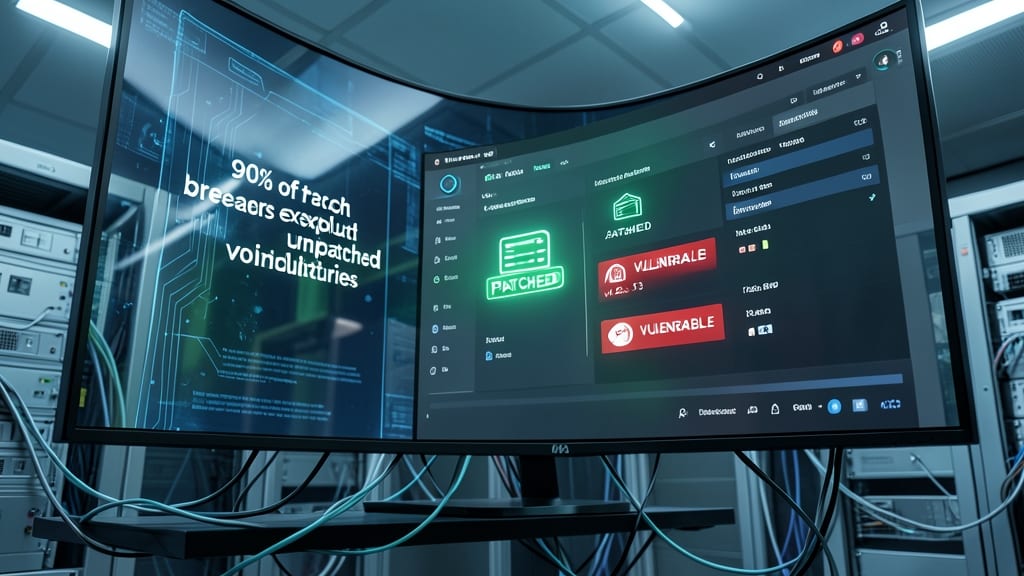
Outdated software is a hacker’s dream—90% of successful breaches exploit unpatched vulnerabilities. An automated patch management system eliminates this risk by scanning, testing, and deploying updates across your entire infrastructure before attackers can weaponize them.
Modern solutions like Tanium or Microsoft Endpoint Configuration Manager handle Windows, Linux, and macOS systems with zero-config deployment, while tools like Patch Manager Plus offer AI-driven prioritization to focus on critical security fixes first. They even test patches in staging environments to avoid compatibility issues—no more manual updates or forgotten servers.
This is non-negotiable for industries handling PCI, HIPAA, or GDPR-compliant data, but even small teams benefit from the set-and-forget reliability it brings. ⚡
Data Loss Prevention for Cloud Storage

One misclick can expose years of proprietary work—Data Loss Prevention (DLP) for cloud storage acts as an automatic bouncer for sensitive files, blocking unauthorized shares before they leave your organization.
Solutions like Microsoft Purview or Symantec DLP scan files in real-time across SharePoint, OneDrive, and Google Drive, flagging violations of policies (e.g., sharing financial reports externally). They enforce content-aware protection, where files containing credit card numbers or patient records get automatically encrypted or revoked if shared improperly. Integration with Microsoft 365 or Google Workspace ensures seamless monitoring without disrupting workflows.
This is non-negotiable for legal, healthcare, and finance teams where compliance (GDPR, HIPAA) demands strict control over data movement. The peace of mind alone makes it worth the setup. ✨
Incident Response Plan Documentation

When a breach happens, every minute counts—yet most companies scramble without a predefined playbook. A documented incident response plan turns chaos into action, ensuring your team follows structured steps like containment protocols, communication escalation paths, and forensic preservation—all while meeting compliance deadlines like NIST SP 800-61 or ISO 27001.
This isn’t just a checklist; it includes predefined roles (e.g., Incident Commander, Communications Lead), timeline-based recovery milestones, and third-party notification templates to avoid costly fines. Tools like Splunk’s IR workflows or IBM Resilient can automate alerts and track progress, but the foundation is always a clear, tested document updated annually. The goal? Reduce downtime by 40% (per Ponemon Institute) while keeping stakeholders informed.
Perfect for regulated industries (healthcare, finance) or any business handling sensitive data—because when the alert sounds, hesitation isn’t an option. ✨
Third-Party Risk Assessment Process

Supply chain attacks like the SolarWinds breach prove third parties can be your weakest link—yet most companies overlook their security posture until it’s too late. A Third-Party Risk Assessment Process systematically evaluates vendors, contractors, and partners before granting access, uncovering gaps that could expose your entire network.
Start with automated vulnerability scans and penetration testing for critical vendors, then enforce contractual security requirements like SOC 2 compliance or ISO 27001 certification. Tools like RiskRecon or SecurityScorecard automate continuous monitoring, flagging high-risk partners in real-time. The goal? Zero-trust principles applied to external entities—never assume a vendor’s security meets your standards.
This safeguard is non-negotiable for industries handling PHI, PCI, or classified data, but even small businesses with cloud providers or SaaS tools should adopt it. Proactive assessment turns potential breaches into auditable compliance—before headlines make it public. 💻