
Troubleshooting
Your social media posts might seem harmless, but oversharing can expose you to serious privacy risks you never considered. These 10 dangers reveal how your online habits could be putting your personal security, finances, and reputation at stake—without you even realizing it.
Identity Theft Through Location Sharing
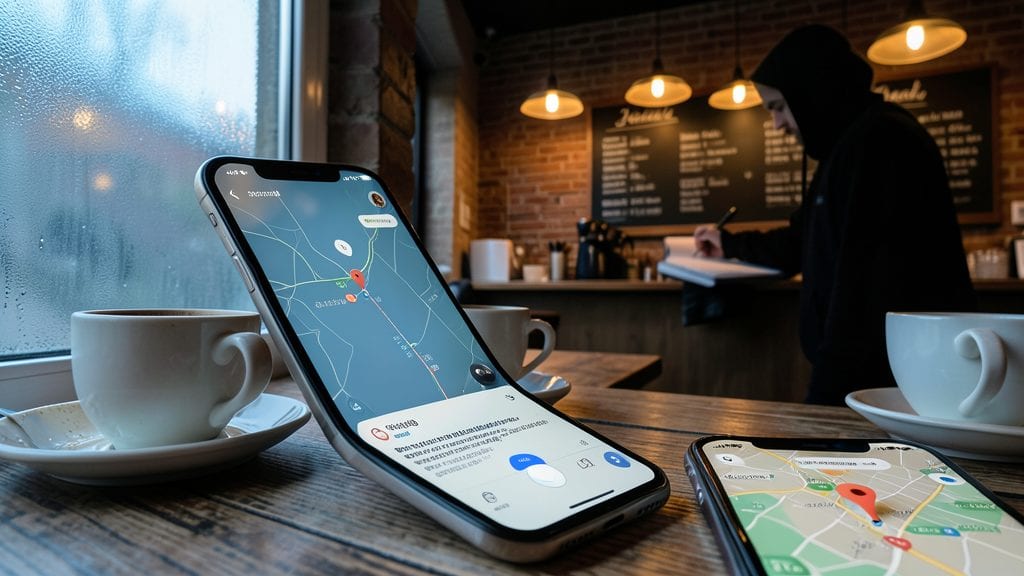
That "quick check-in" at your favorite coffee shop might be giving criminals a real-time map of your life. Apps like Instagram, Snapchat, and even some fitness trackers automatically tag your location—turning your daily routine into a digital breadcrumb trail for identity thieves.
Once your patterns are exposed, burglars can time home invasions when you’re at work, scammers can impersonate you using your geotagged vacation photos, and stalkers gain unsettling insights into your habits. Even "private" stories with location data can be scraped by third-party tools, making your home address, gym schedule, or weekend getaways fair game for exploitation.
This risk isn’t just theoretical—cases of home robberies timed to victims’ social media posts have been documented. If you’re someone who frequently shares your whereabouts (even passively), you’re handing criminals a target-rich environment. ⚡
Phishing Scams Using Personal Details
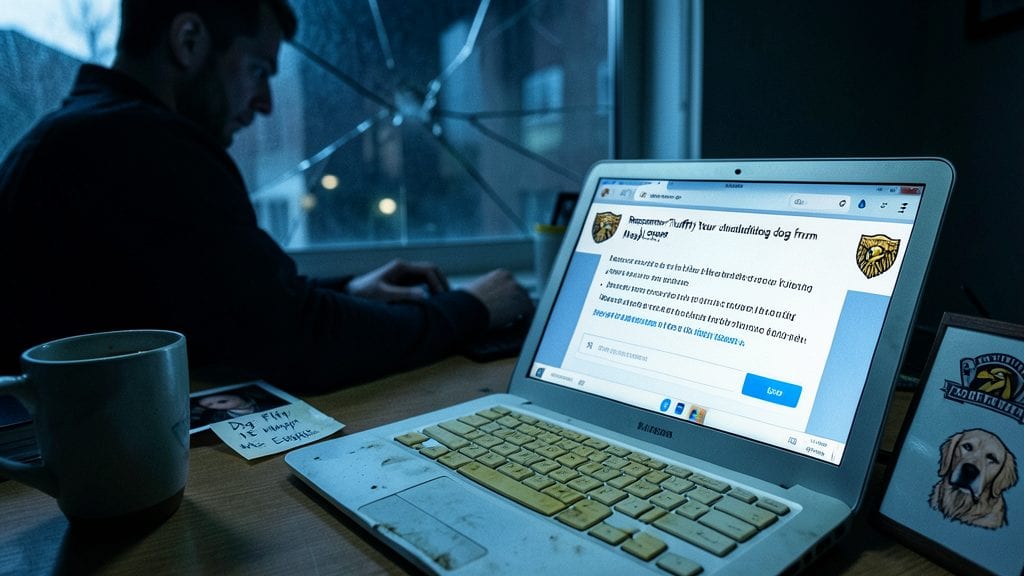
That "fun fact" about your childhood dog’s name or your high school mascot isn’t just small talk—it’s a goldmine for scammers. Cybercriminals use these details to craft hyper-personalized phishing emails that bypass basic security questions, making your "innocent" posts into security vulnerabilities.
For example, if you’ve ever posted your birthday or mother’s maiden name, you’ve just handed scammers the keys to reset your accounts. A 2023 report found that 68% of phishing attacks now use custom details scraped from social media, making generic "password reset" emails look like they’re from your bank. Even pet names or favorite sports teams can be weaponized to trick you into clicking malicious links.
This isn’t just a risk for tech novices—even seasoned professionals fall victim when scammers impersonate colleagues using details from public posts. The best defense? Audit your profiles for personal details and enable multi-factor authentication to add an extra layer of protection. 🔧
Blackmail and Extortion Risks
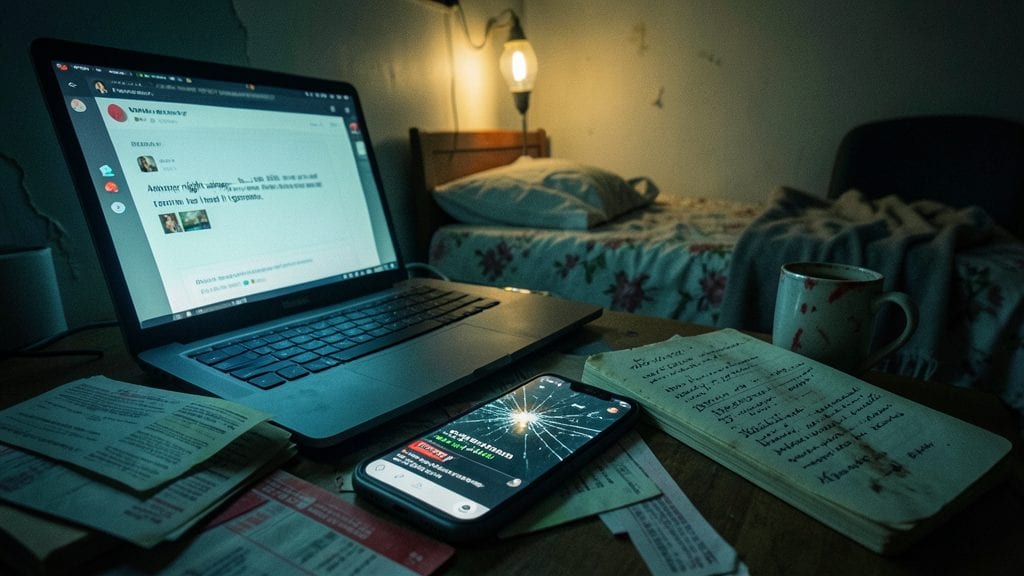
That heartfelt post about your struggling relationship or financial hardship might feel cathartic—but it’s also a goldmine for scammers. Cybercriminals use AI-powered tools to scrape public posts, then exploit them to demand ransom payments under threat of exposure, doxxing, or harassment.
Even seemingly harmless details like your favorite coffee shop, gym routine, or daily commute can be pieced together to create a personalized blackmail campaign. Scammers often impersonate law enforcement or leverage deepfake audio/video to heighten pressure, making victims more likely to comply. One reported case involved a $5,000 demand after a user shared a vulnerable moment about a breakup.
This risk isn’t just for celebrities—anyone with a public profile is vulnerable. If you’ve ever posted about personal struggles, consider auditing old content or adjusting privacy settings to limit exposure. 💡
Workplace Discrimination Lawsuits
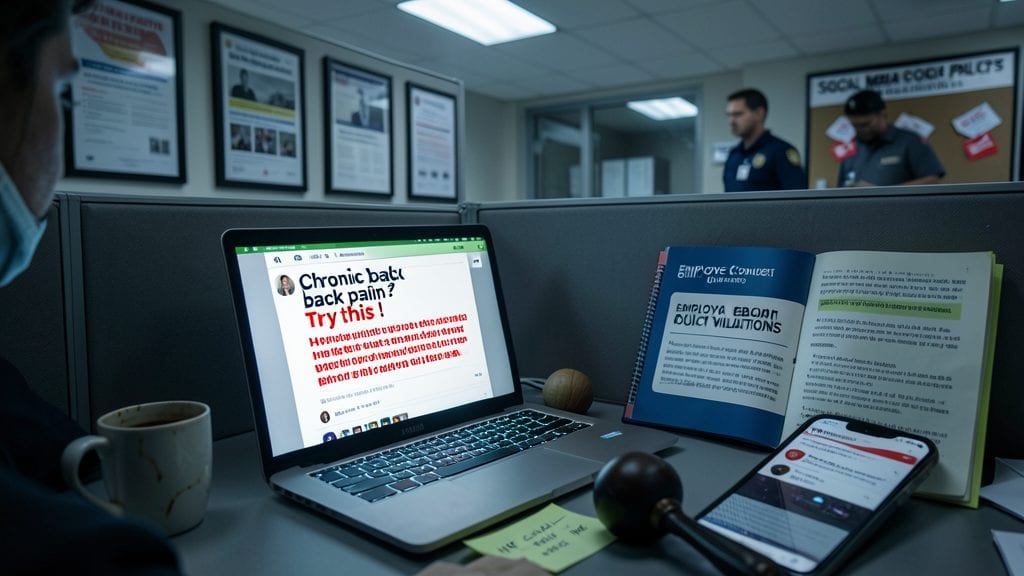
That "vent session" about your chronic back pain or passionate post about a controversial political issue might seem cathartic—but it could also land you in legal hot water. Many companies now monitor employee social media activity, and posts violating HR policies or anti-discrimination laws can trigger investigations, disciplinary action, or even lawsuits against your employer.
Discussing medical conditions (even vaguely) could violate HIPAA-compliant policies or trigger accommodations requests employers may not be prepared to handle. Political posts risk alienating clients or violating neutrality clauses in employment contracts. Worse, oversharing about family situations (e.g., pregnancy, caregiving) might expose protected health information or create perceptions of favoritism—all of which can be used against you in performance reviews.
If your job requires discretion—think healthcare, finance, or government roles—even a single post could be enough to spark an internal audit. Always assume your boss (or their legal team) is watching. 💻
Stalking and Harassment Enablement
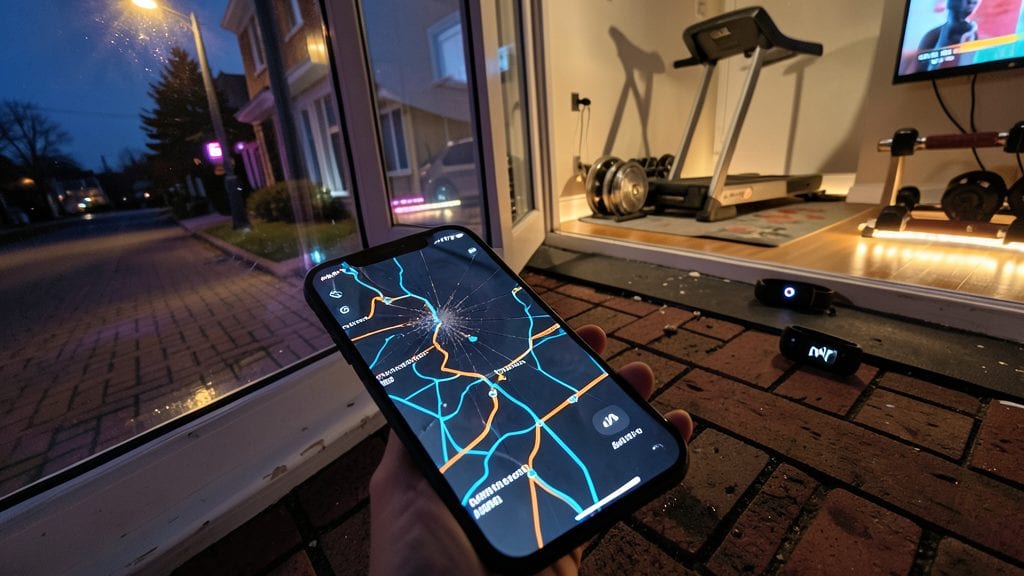
That "innocent" gym check-in or daily routine post might seem harmless, but it’s actually creating a digital trail that predators can follow to find you in real life. Apps like Strava or MapMyFitness automatically log your routes, while social media posts about your schedule or home gym setup paint a clear picture for someone determined to track you.
Even seemingly harmless details—like posting about your weekly yoga class schedule or morning coffee spot—can reveal patterns that stalkers exploit. Criminals use tools like Google Maps Street View or social media scraping bots to piece together your movements, turning your online presence into a real-world threat. One wrong post could make you a target for unwanted attention or even physical confrontation.
This risk isn’t just theoretical: studies show that over 60% of stalking cases begin with online tracking enabled by oversharing. If you’re active on platforms like Instagram, Facebook, or fitness apps, assume someone might be watching—and adjust your settings to limit location tags and avoid real-time check-ins. ✨
Insurance Fraud and Claim Denials
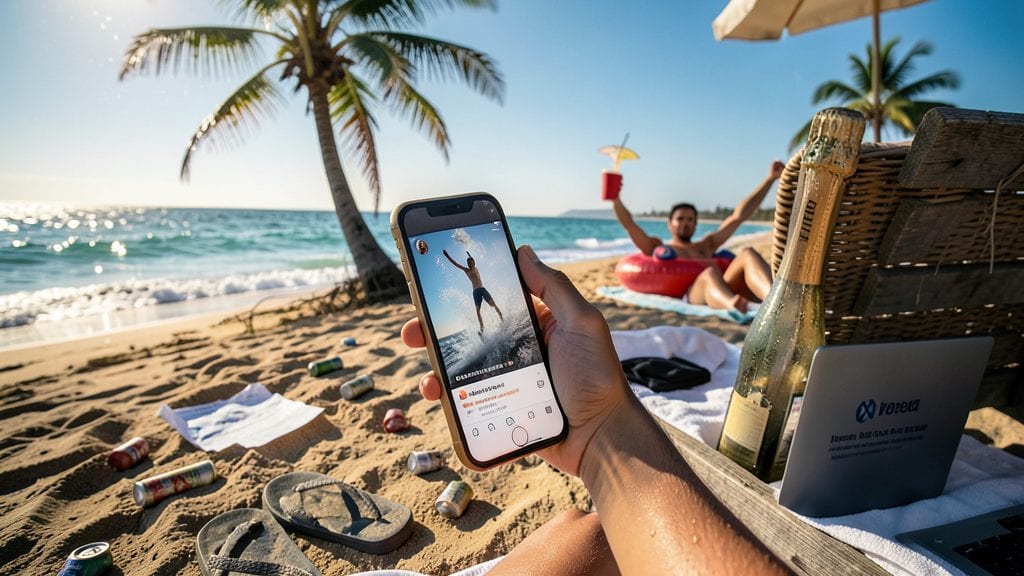
That dreamy beach vacation selfie might seem harmless, but insurers are increasingly using social media evidence to deny claims—especially if you posted reckless behavior like skydiving or binge-drinking. One study found 30% of denied auto insurance claims cited social media as proof of negligence, turning your "living your best life" content into a financial liability.
Companies now monitor platforms for geotagged posts (proving you were somewhere you claimed not to be) or injury-related content (like a "sprained ankle" post right after a slip-and-fall claim). Even likes and shares—such as a "no helmet" meme—can be used to argue willful negligence. The average denied claim due to social media evidence costs policyholders $2,500+ in out-of-pocket expenses.
Homeowners and renters aren’t safe either—posts about unattended properties or security system deactivations (like disabling alarms for a party) have led to canceled policies. Before hitting "share," ask: Could this be used against me in court? A quick privacy audit could save you thousands. ✨
Social Engineering Attacks on Loved Ones
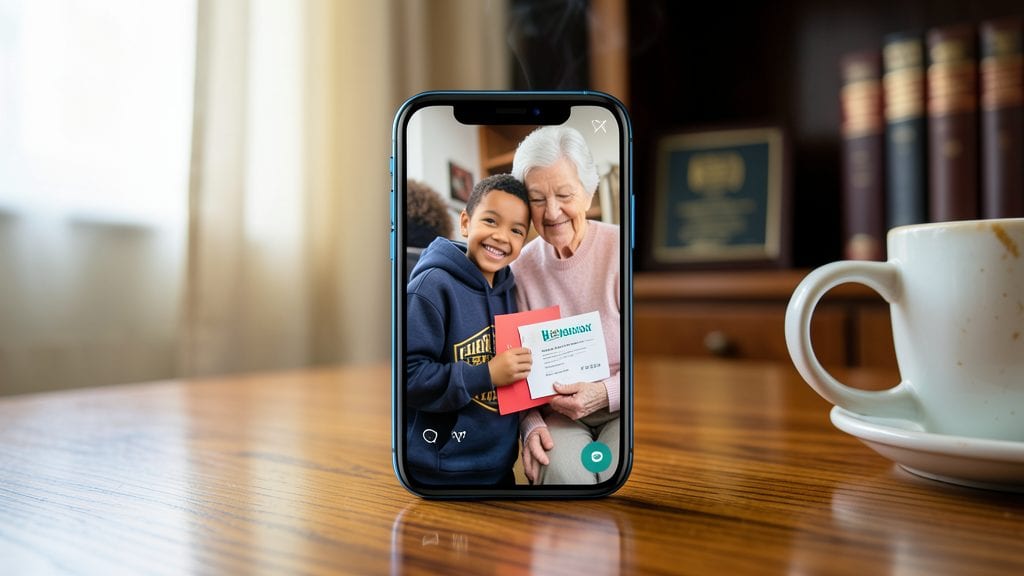
That innocent post about your kid’s first day at Harvard University or your mom’s favorite charity fundraiser might seem harmless—but it’s a goldmine for scammers. Criminals use these details to impersonate you in calls or messages, tricking loved ones into sending money or sharing sensitive info like Social Security numbers.
For example, a scammer might call your dad pretending to be you, claiming you’re in an emergency and need $2,000 wired immediately. They’ll use details from your posts—like your child’s school name or your mom’s favorite hobby—to sound convincing. Even seemingly harmless updates, like vacation plans or family milestones, can be weaponized to exploit trust.
Parents, grandparents, and caregivers are especially vulnerable—scammers target their emotional connections. Always verify unexpected requests for money or sensitive info, and avoid oversharing personal details about family members online. 💻
Algorithmic Discrimination in Loans and Jobs
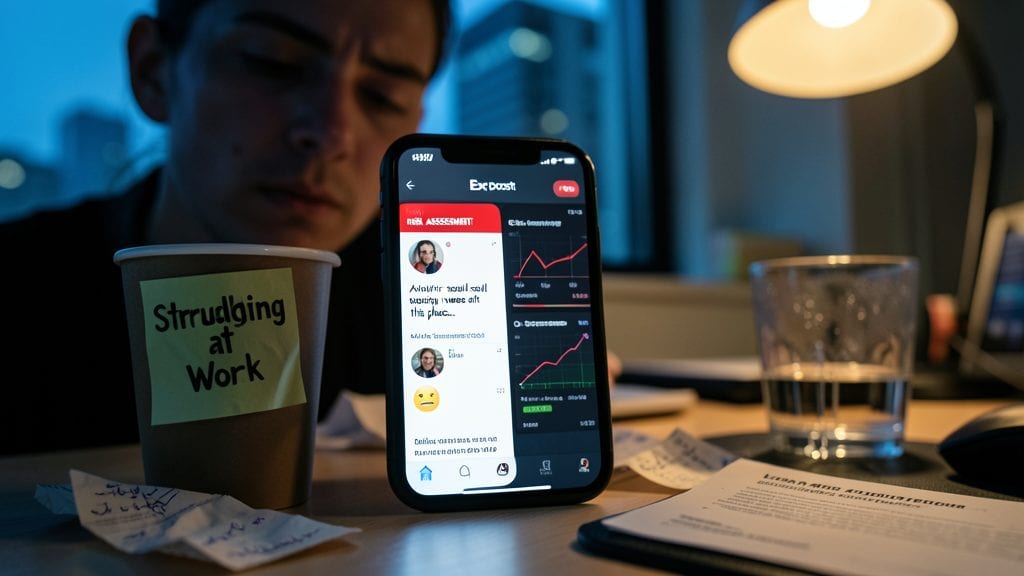
Your casual posts about job dissatisfaction or financial struggles might seem private—but lenders and employers are increasingly using social media algorithms to assess risk. Companies like Experian Boost and Social Intelligence now analyze your online activity to adjust loan interest rates or even screen job candidates, often without your consent.
For example, a 2022 study by the Federal Reserve found that 30% of lenders now factor social media into credit decisions, while LinkedIn’s "Open to Work" badge can trigger automated hiring filters that may overlook your application. Even seemingly harmless posts—like complaining about your boss or bragging about a new car—can trigger higher interest rates or automated rejection from AI-driven systems.
Job seekers and small-business owners are most vulnerable, as their social media activity is often the first data point in AI-driven hiring or lending pipelines. Always assume your posts could be parsed by algorithms—and adjust accordingly. 💻
Cryptocurrency and Investment Scams
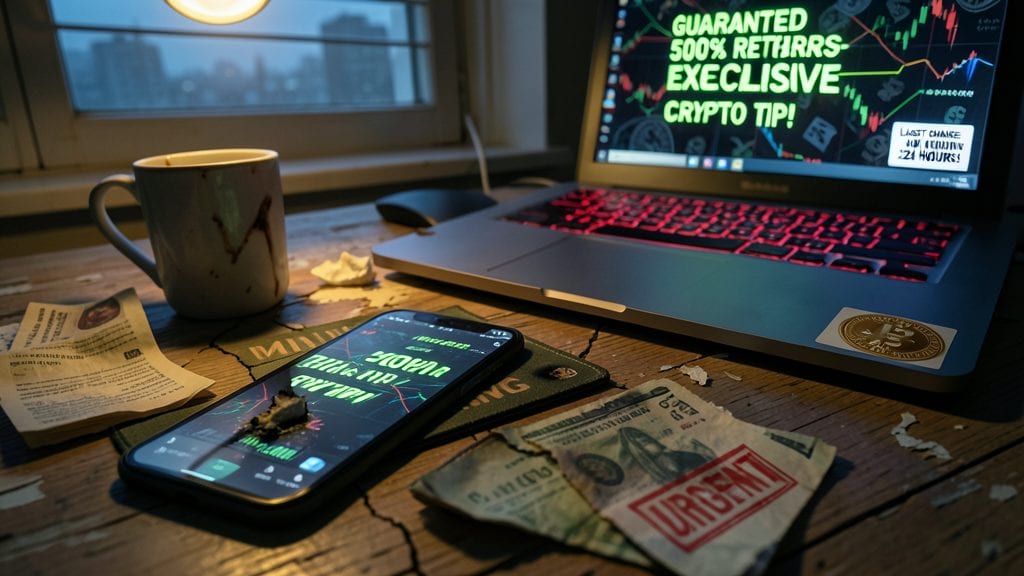
Ever casually mentioned struggling with bills or dreaming of crypto wealth? That’s all scammers need to lure you into fake investment schemes promising "guaranteed returns" or "exclusive tips." Posts about financial hardship or crypto curiosity signal to predators that you’re an easy mark—especially if you lack technical knowledge about blockchain or trading.
These scams often disguise themselves as legitimate platforms with flashy dashboards, fake celebrity endorsements, or urgent "limited-time" offers. One click on a malicious link can lead to sim swap attacks (where scammers hijack your phone number) or phishing pages that steal your login credentials. The FBI’s IC3 reports crypto scams cost victims $2.6 billion in 2023—and social media posts are the #1 way scammers find targets.
If you’re curious about crypto, stick to reputable exchanges (like Coinbase or Kraken) and avoid DMs from strangers promising "inside info." Even discussing financial goals publicly can attract scammers—so think twice before posting. 💡
Long-Term Reputation Damage
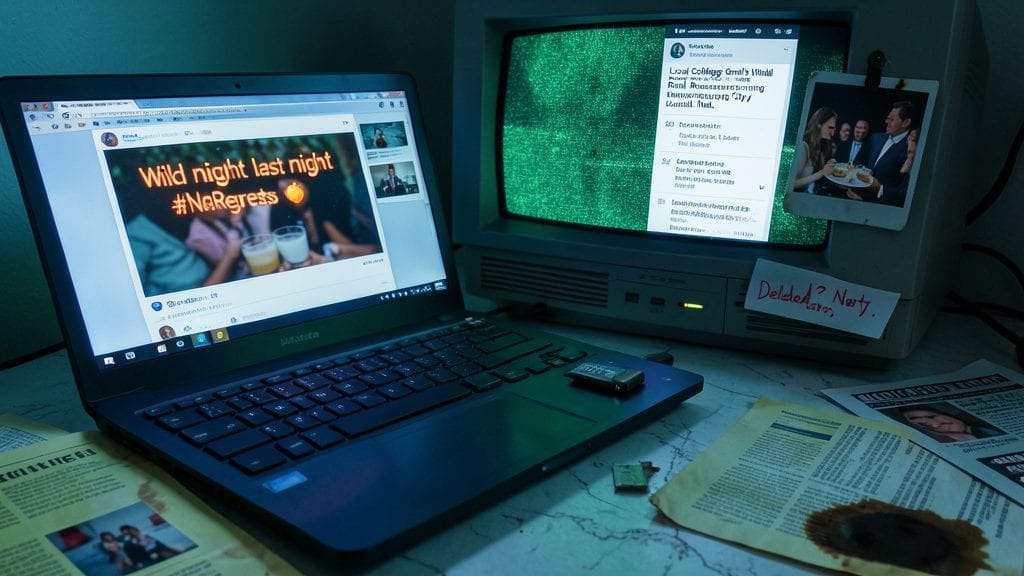
That one wild night or controversial opinion you posted in college might still be lurking online—even if you deleted it. Social media archives, third-party caches, and screenshot culture mean your digital footprint can outlive your regrets, resurfacing during job interviews, political campaigns, or even dating profiles years later.
Platforms like Facebook and LinkedIn don’t just delete content—they often keep it in shadow archives accessible via legal requests or data leaks. A 2022 study found that 60% of deleted posts could still be recovered through third-party tools, while Twitter/X’s search history retains tweets indefinitely. Even Instagram Stories (meant to vanish after 24 hours) have been screenshotted and reposted as permanent records.
This risk isn’t just for teens—politicians, executives, and job seekers have all faced career-ending consequences from old posts. The lesson? Assume nothing is truly gone and audit your digital history regularly. ✨